Glutathione
The antioxidant your cells have been waiting for
The antioxidant your cells have been waiting for
Glutathione is an antioxidant your body makes naturally inside every cell. It helps protect cells from the damage that builds up when free radicals outpace your body's antioxidant defenses, supports the liver's normal detoxification pathways, and works alongside other antioxidants like vitamins C and E. Levels tend to decline with age and during periods of chronic stress.
Common reasons patients ask about glutathione:
Data
Glutathione has been studied for decades in laboratory and clinical settings, particularly in liver disease, neurodegenerative conditions, and oxidative stress. Most of the published research on systemic glutathione supplementation comes from small clinical or preclinical studies, and large randomized trials in healthy adults are limited.
2x
More than 2x increase in a key measure of immune defense activity compared to placebo in a 6-month trial (opens in new tab).
~35%
Estimated drop in the body's antioxidant capacity that can occur with aging, and one of the reasons interest in glutathione support has grown.
Figure originates in animal research; human studies show a similar downward trend.
Well tolerated
In published trials, side effects from glutathione have been mild and uncommon, and reported at similar rates among people taking a placebo.
How it works
Glutathione plays three main roles in the body:
Helps neutralize free radicals before they can accumulate
Free radicals are the unstable molecules that damage cells over time.

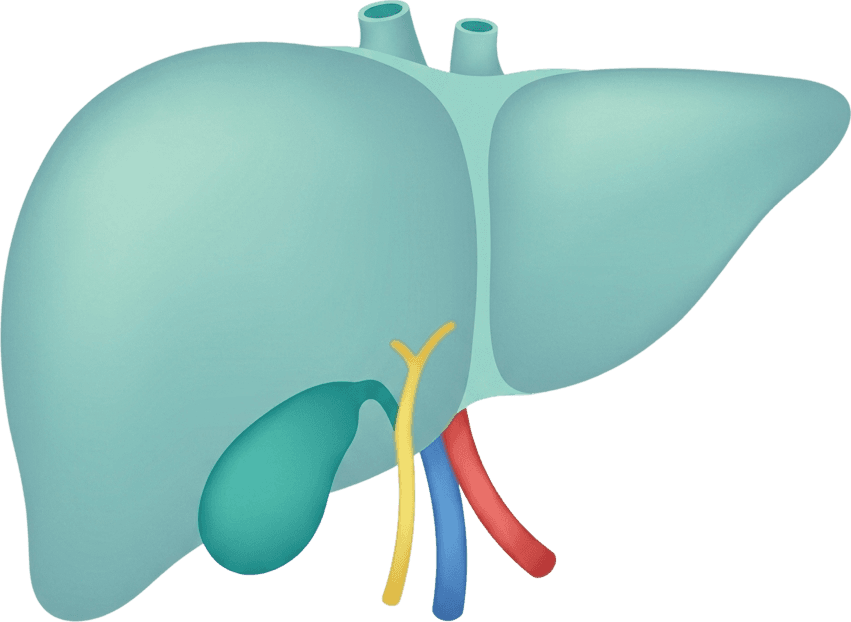
Works alongside the liver to help process and clear unwanted substances
Recharges other antioxidants, like vitamins C and E, so they can keep working

Supplemental glutathione is intended to support these pathways when your body's natural levels are running low.
Eligibility
Generally a good fit for
Not appropriate for
Before starting, also discuss with your provider if you
Journey
Weeks 1–4
Weeks 5–12
Ongoing
Side effects
Glutathione is generally well tolerated when administered by injection under medical supervision. Side effects are usually mild but should be reviewed before starting.
Common
Less common but serious
If you have questions about whether glutathione is right for you, your PreventiveMD provider will review your full health history once you get started.
Dosing
Glutathione is typically administered as an intramuscular injection one to three times per week. Specific dose is set by your provider based on goals and tolerance.
How to inject
Seek emergency care immediately if you experience difficulty breathing or swallowing, swelling of the face, lips, tongue, or throat, hives or a widespread rash, dizziness or fainting, or a rapid heartbeat. These can be signs of a serious allergic reaction.
Pricing
Loading pricing…
FAQs
Effects from glutathione are subtle and subjective. Some patients report better energy or recovery within a few weeks, while others see no obvious change. It is best thought of as supportive care, not a quick-fix therapy.
For our compounded medications, yes every dose is the same price, and no, there are no hidden fees. Our pricing is based on your plan length, never your dose, and is designed to be simple and not gimmicky.
Whether you’re on a starting dose or a higher maintenance dose, your price stays the same, and it’s all-inclusive: provider review, medication, supplies, shipping, and ongoing support. There are no membership, consultation, or cancellation fees.
Longer plans come at a lower monthly rate and are paid upfront, and you can always see current pricing for every medication and plan on our site.
Most patients can safely combine glutathione with peptides, IV vitamin therapy, or weight-management protocols, but your provider should review the full picture before adding it.
Vitamin C is one of several antioxidants that glutathione actually helps recycle. While vitamin C works primarily in fluids outside cells and must come from your diet, glutathione is produced inside your cells and works there directly. It also helps regenerate other antioxidants, including vitamin C, so they can keep working.
No. Currently, labs aren't required to get started. Your provider will review your medical questionnaire responses to confirm if the medication is appropriate for you.
Yes, completely. Vials are filled to your exact prescribed volume, not to the top of the glass. Check the total mL printed on the sticker label. If anything still looks off, send us a photo of the label and we’ll verify it against your prescription.
Oral glutathione has limited bioavailability — much of it is broken down in the gut before it reaches your cells. That is why injectable and IV forms are preferred when meaningful supplementation is the goal.
Dose (mg) ÷ concentration (mg/mL) = mL to draw, then multiply by 100 for units on a U-100 syringe.
Please note that units are not comparable across pharmacies because concentrations differ, so always follow your prescription label and/or your provider's Visit Summary, which you may access from your order status portal (opens in new tab).
How to get started
Option A
For returning patients, or anyone who already knows the protocol they’re after.
Option B
New to this? Take a 5-minute assessment and get matched to options for your goals.


